Author: Nia Hunter

  • Red Emmas

    Red Emmas

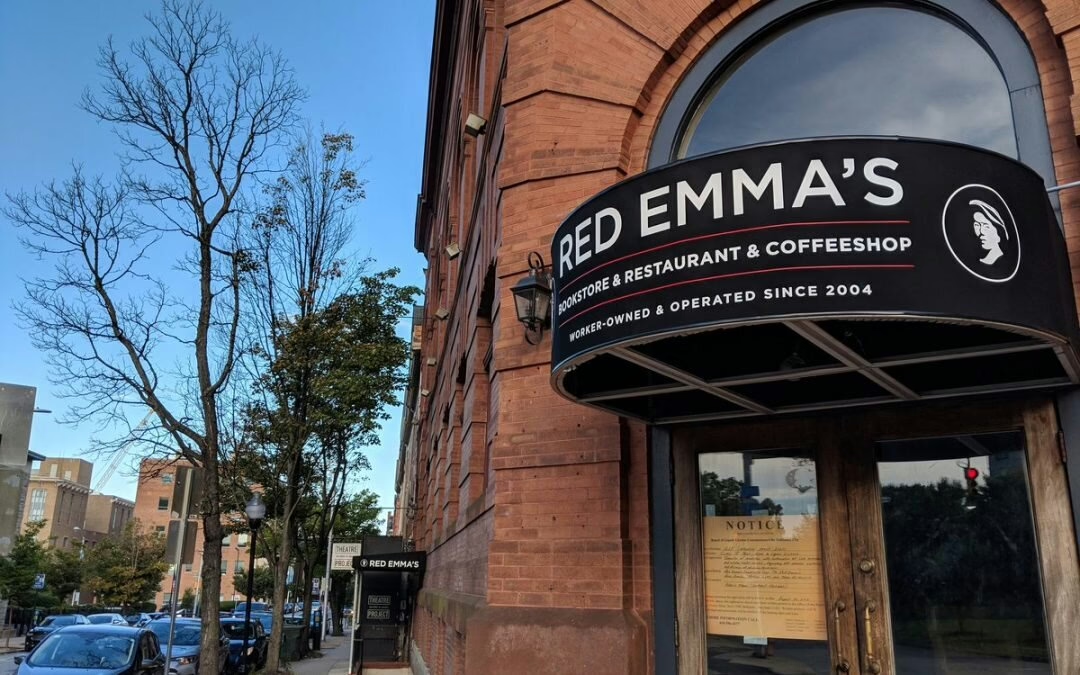
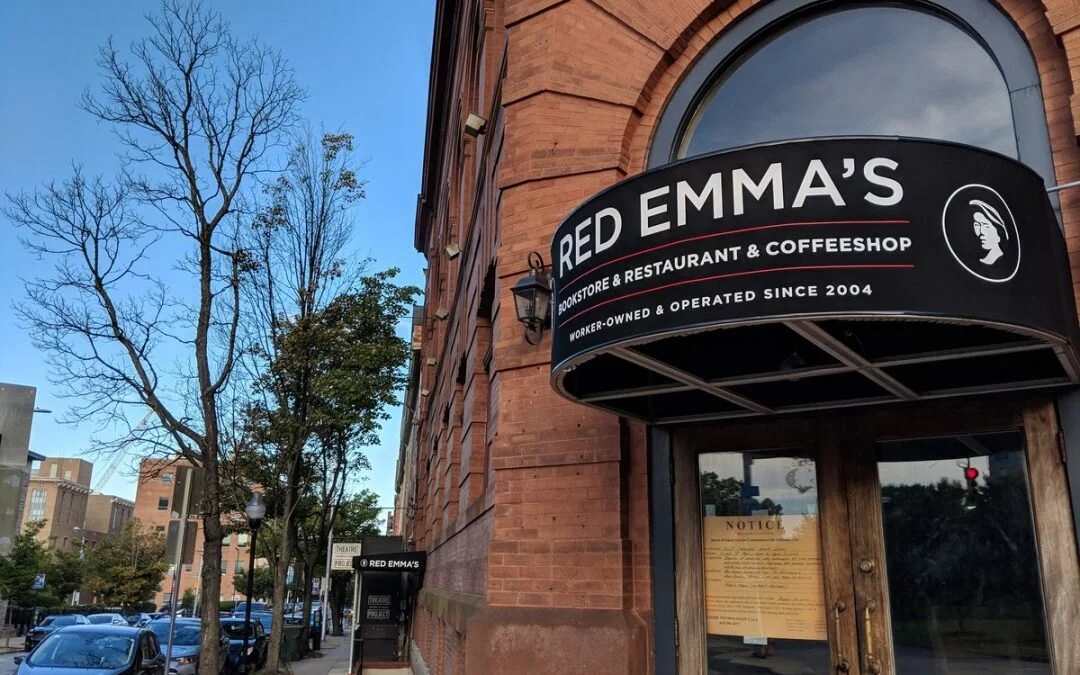
    Red Emma’s was established in 2004. They are a worker owned bookstore, restaurant and coffee shop located in Baltimore MD. When Red Emma’s outgrew their previous space on North Avenue, BRED helped them finance its expansion in 2018. They are currently located at 1225 Cathedral St.

    Red Emma’s also received a line of credit from BRED in 2019

    Red Emma’s

  • Thread Coffee

    Thread Coffee

    Thread Coffee Roasters is a coffee roasting cooperative located in Baltimore City. Thread is woman and queer owned, and is dedicated to working in solidarity with coffee growing cooperatives in the Global South.

    BRED helped Thread to grow their business by financing Thread’s purchase of a larger capacity coffee roaster, and later an expansion loan, needed to meet higher levels of demand.

    Thread Coffee Roasters

  • Core Staffing

    Core Staffing

    The Core Staffing Cooperative is a cooperative staffing agency owned and operated by and for residents returning to the community after incarceration.

    In 2018, BRED extended a working capital loan to allow Core Staffing to better serve its members.

    Core Staffing Cooperative

  • Watch Our August Webinars

    This month we put together a series of free virtual webinars. Jim Johnson and Joseph Cureton helped viewers learn about cooperative basics and cooperative conversions.

    During Introduction to Cooperatives, they shared everything from the basics of getting started to legal structures and capital. Management structures to decision making. We also talked about the pro’s and con’s of owning a cooperative, and the differences between these flexible forms of doing business.

    Intro To Cooperative Conversions & Employee Buyout, was for small business owners. It was geared towards those considering their next steps during the time of COVID-19, or maybe approaching retirement. Cooperative conversions are an increasingly compelling option for business owners. They sell their business to its employees which helps retain jobs and keep small businesses in their communities. During this webinar we discussed steps of the conversion process, and answered questions about whether or not an employee buyout is the right decision.

    If you didn’t get a chance to join us, don’t worry! We recorded the sessions and they are available to watch at any time. Find them below and make sure to follow us on Instagram and Facebook for updates on future happenings.

  • August Events

    We are bringing you two events this month. ‘Co-op 101’ and ‘A Brief Introduction to Cooperative Conversions and Employee Buyout’.

    Have you ever wondered what a cooperative is, or what it would be like to start your own cooperative? Co-op 101 is the perfect workshop for you. Spend an hour learning about the in’s and out’s of worker-owned cooperative businesses. We will have a conversation about legal structures and capital, pro’s and con’s, and the differences between these flexible forms of doing business. You will leave wanting to put what you’ve learned to work!

    Our Brief Introduction to Cooperative Conversions and Employee Buyout workshop is geared towards small business owners. In the time of COVID-19, small business owners might be pondering ways to preserve their business legacy as they approach retirement. You might be considering a career change, but want to leave your business to people who are competent and already invested in the welfare of the business.

    Cooperative conversions – selling a business to its employees – are an increasingly compelling option to retain jobs and keep small businesses in their communities. We will lead you through the steps of this process, and answer questions about whether an employee buyout might be right for your business.

    If either of these interest you, please register through this link https://linktr.ee/BREDbaltimore

  • The Case for Worker-Cooperative Conversions

    We are happy to present the recording from our latest online session Selling Your Small Business – Practical Strategies for an Employee Buyout

    If you are interested in learning more about the conversion process please feel free to fill out the survey below.

    Learn More

    During the session we discussed the in’s and out’s of selling a small business to it’s employees and covered many topics including:

    Why are so many small business owners selling their businesses to their workers? 

    Most small businesses never find an outside buyer. Without a worker-buyout, your customers lose their brand of choice and your community loses critical economic activity. The longest-serving and most loyal of your workers will be the least likely to find a comparable livelihood elsewhere. When a larger competitor does buy a business, they usually lay off most or all of the workers and dissolve the enterprise. And your legacy disappears!

    Why are worker-owned businesses better? 

    Worker-owned businesses have higher productivity, lower worker turnover, and their profits stay in the community. Workers adopt more global perspectives on their workplace and the welfare of their co-workers and their customers, and engage broader concerns and policy issues about the future of their market, their industrial sector, the larger economy, and the environment. Worker-ownership fosters more engaged citizenship. And your legacy lives on!

    Why are governments incentivizing worker buy-outs? What are those incentives? 

    Aging baby boomers own a large percentage of small businesses, and they’re now looking to retire. Without worker buy-outs, most of these businesses, their jobs, and their other economic activity, will be lost. Worker buy-outs can also deliver significant tax breaks to the seller, and the Small Business Administration is expanding their lending options to support worker buy-outs. 

    Why should I attend the workshop on selling my business and exploring employee ownership? 

    You will get answers to all of your questions about selling to your workers, and we will lead you through the steps involved in doing it. These include overall exploratory process and strategy, ownership and management succession planning, financing options, legal and structural angles, and much more! The Baltimore Roundtable for Economic Democracy is a non-extractive lender that finances worker-buyouts; its members include experienced worker-owners skilled in converting businesses to worker-ownership and supporting workers and owners in making the transition. 
  • The Greener Kitchen

    The Greener Kitchen

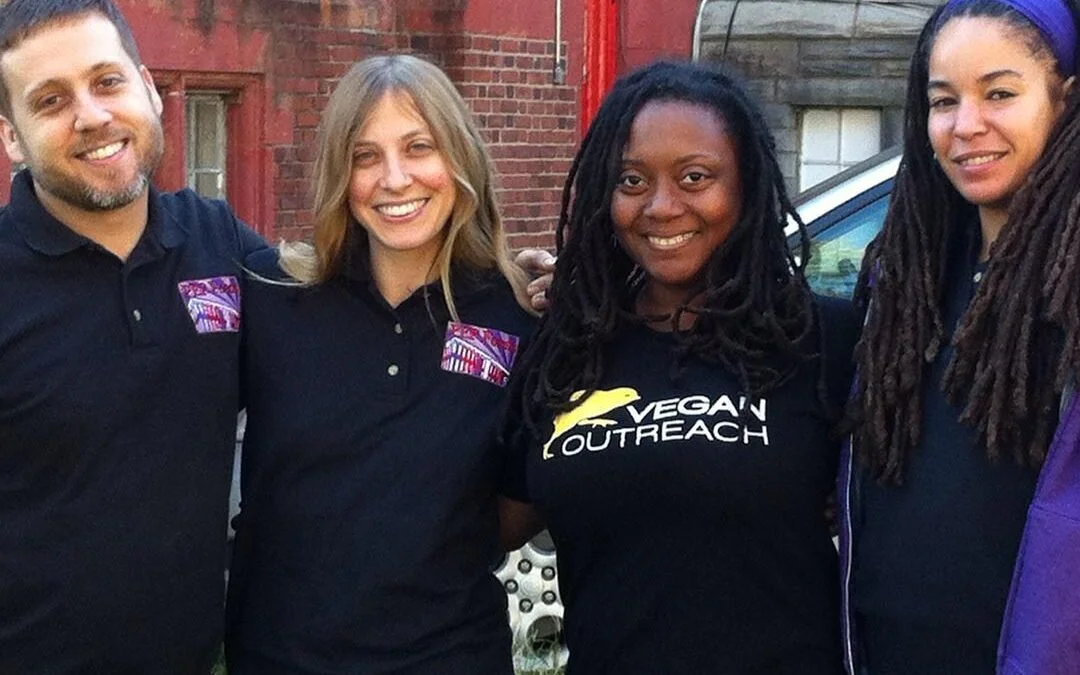
    The Greener Kitchen (originally PEP Foods) is a food production cooperative built around the powerful idea that plant-based food should be financially and culturally accessible to everywhere.

    BRED’s helped The Greener Kitchen finance the purchase of equipment for their new production facility and rental kitchen.

    The Greener Kitchen